


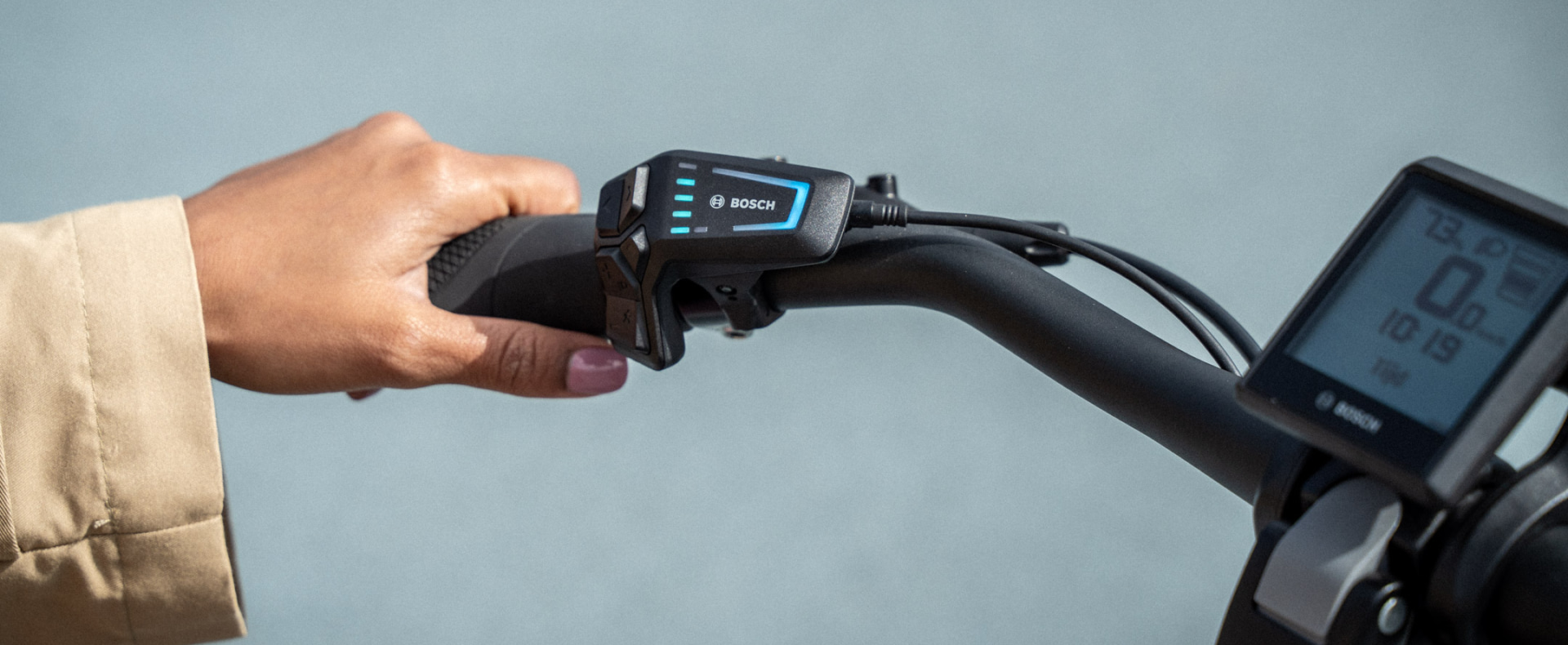
"An e-bike is sustainable."
You hear it everywhere. But is it actually true?
The honest answer is a little more nuanced than most people think. An electric bike is absolutely a smarter choice than a car for your daily commute, but the real sustainability doesn't lie in the bike you buy. It lies in what you do with it afterwards.
E-bike vs. car: not even a contest
For commuting, an e-bike beats a car on almost every front. An e-bike uses very little energy, takes up hardly any space, and replaces car journeys that would otherwise happen every day. In Belgium, where traffic jams are still part of many people's morning routine, that makes a real difference.
If you regularly leave the car at home and take your e-bike instead, you'll noticeably reduce your environmental footprint. Less emissions, less noise, less congestion. And as a bonus, a much more enjoyable start to your day. 🙌
But then comes production
This is where things become a little less straightforward. An e-bike is more complex than a traditional bicycle. It includes a battery, motor, electronics, sensors, and components that experience greater strain because of the bike's weight and speed. Manufacturing all of this requires raw materials, energy, and transportation.
Producing a new e-bike generates an average of around 150 kg of CO2 emissions. That's significantly less than a car, but it's not zero. The battery, which is largely made up of lithium-ion cells, is responsible for a substantial part of that footprint.
So the question isn't only "Should I choose an e-bike?" but also "How do I take care of it afterwards?"
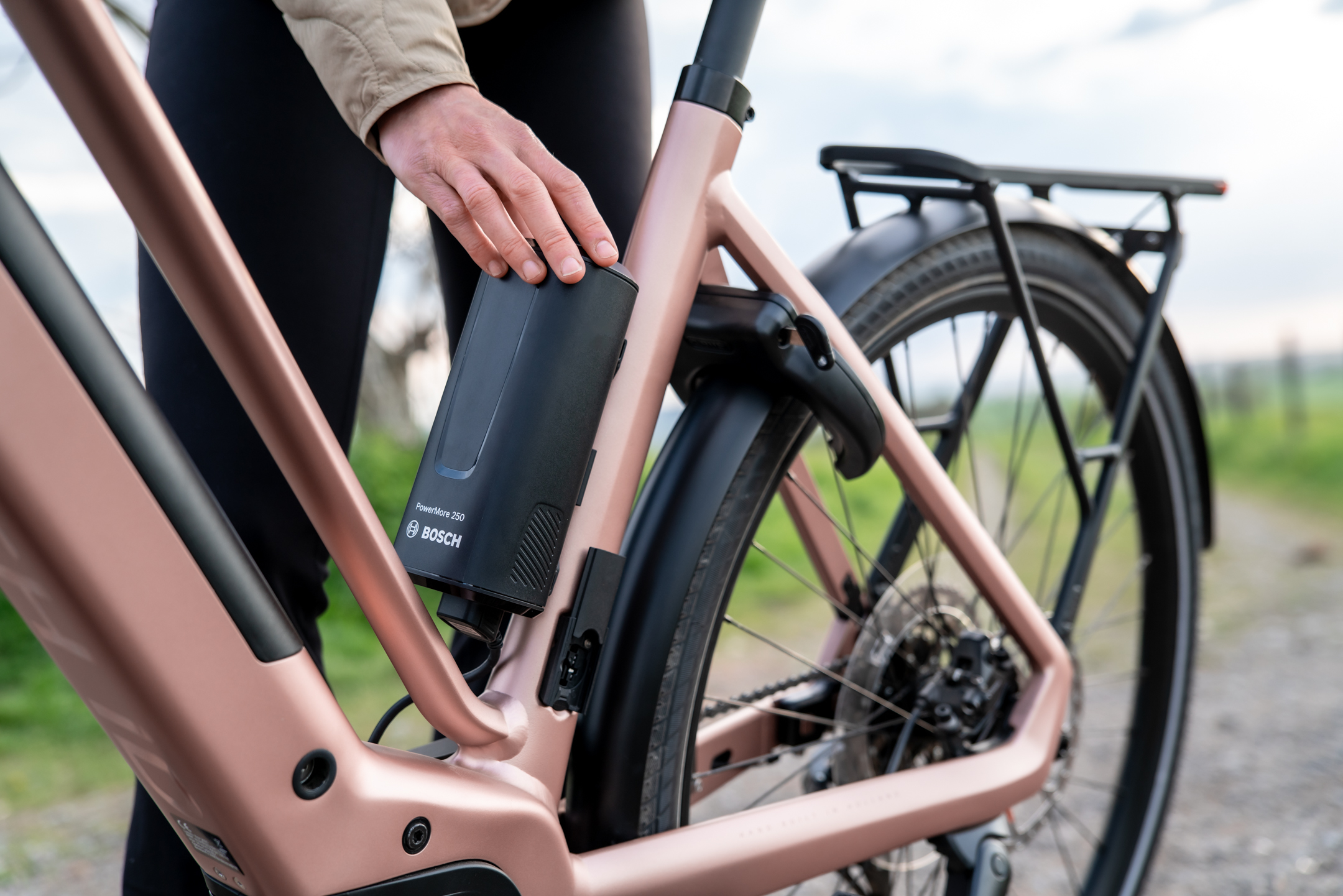
The battery: your biggest asset and biggest responsibility
The battery is the heart of your e-bike. It's also the component with the biggest impact on the bike's overall sustainability. Like every lithium-ion battery, your e-bike battery gradually loses capacity over time. The good news? You have a lot of control over how quickly that happens.
A few habits that make a real difference:
- Avoid extreme temperatures. Don't leave your bike or battery sitting in direct sunlight for hours, outside overnight during freezing weather, or inside a hot car.
- Don't ride all the way down to 0%. For daily use, try to keep your battery between 20% and 80% and recharge it before it's fully depleted.
- Store the battery partially charged if you won't be using the bike for a while. Aim for 50% to 70% charge and keep it in a dry place. A battery left completely empty for months can permanently lose capacity.
- Use your assistance modes wisely. Eco mode on flat roads and higher assistance only when needed. You'll immediately increase your range.
Maintenance isn't optional
This is a major blind spot for many cyclists. A poorly maintained e-bike rides less efficiently, wears out faster, consumes more energy, and has a shorter lifespan. In every way, that's the opposite of sustainable.
A well-maintained e-bike rides more smoothly, uses less energy, stays safer, and simply lasts longer. Annual servicing helps prevent small issues from turning into costly repairs. Think worn brake pads, poorly adjusted gears, chain or belt wear, software updates, or tires with insufficient pressure.
Preventive maintenance isn't just another item on your to-do list. It's an investment in comfort, safety, and your bike's lifespan. The longer your bike lasts, the more sustainable every mile becomes. It's really that simple.

What happens when your lease ends?
At Joule, the story doesn't end when your lease contract expires. Bikes that are still in good condition get a second life as refurbished bikes. That way, perfectly rideable bikes don't disappear from circulation before their time.
Every refurbished bike means one less new bike that needs to be manufactured. Less raw materials, less energy, less emissions. Read more in our blog: Why refurbished bikes are the circular heroes of mobility.
So, how sustainable is an e-bike really?
Very sustainable, if you use it wisely.
Buying the bike is only the beginning. What really matters is how long you keep riding it and how well you take care of it.
At Joule, we believe sustainable mobility doesn't stop at choosing a lease bike. It's also about smart maintenance, worry-free riding, and keeping your bike in top condition for years to come. That's the full circle. 💙
Read more of Bram's cycling tips:
- Everything you need to know about e-bike maintenance and support
- How to hit the road safely with your lease bike
- What are the advantages (and disadvantages) of a belt drive bike?
We add new biking tips every month, so be sure to keep an eye on our blog overview. 😉
Questions about bike leasing or sustainable mobility? We'd be happy to help!

Bram is our in-house bike expert and shares a new bike tip every month to help you ride smarter. You may have spotted him at a test day, always ready with advice and plenty of enthusiasm. He helps grow Joule Local, so you can lease your bike through your favorite local bike dealer. His constant companion? The Orbea Terra Race, which he rides to the office every day, rain or shine. Got a bike question? Bram’s happy to help!
Alles verliep zeer vlot. Geen extra papierwerk, alles werd door Joules geregeld. Heel tevreden over de service.

Goede communicatie en uitleg. De persoon die het concept is komen voorstellen heeft dit duidelijk gedaan. De testritten waren ook goed georganiseerd.

Top ervaring! Klantenservice is top. Je kan er terecht met al je vragen en ze blijven altijd even vriendelijk. En ik heb best veel vragen gesteld. Levering was top. Zeker een aanrader voor iedereen.

Vlotte service, snel antwoord en zeer vlot in gebruik. De offertes van de fietsenwinkel werden snel verwerkt en overzichtelijk afgeleverd in een leasing-formule.

Heel gemakkelijk dat de technieker op het werk komt! De technieker was vriendelijk. Onderhoud was snel gedaan. Ik heb heel gemakkelijk de afspraak kunnen wijzigen. Ik heb daarvoor een heel vriendelijke en behulpzame persoon aan de lijn gehad.


.avif)


